






















All About the EVE LF105 Prismatic LFP Cell
2026.09.16


Battery-using enterprises need more than high nominal capacity. They need cells that can be integrated efficiently, matched consistently, operated across demanding environments, and supported throughout the system-development process.
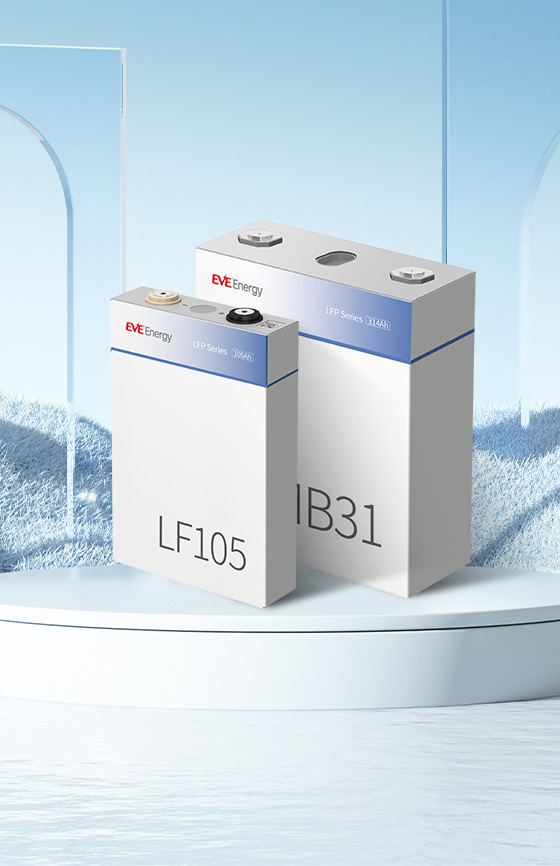
The EVE LF105 is a 3.2V 105Ah LiFePO4 prismatic cell developed to balance long cycle life, output capability, wide-temperature performance, and compact integration. These characteristics make it a versatile choice for energy storage system integrators, electric mobility OEMs, UPS manufacturers, power-system suppliers, and other equipment producers. EVE LiFePO4 EU stock, supported by our Germany warehouse, provides European customers with a more convenient local sourcing option for LF105 cells.
Behind the LF105 is EVE Energy’s integrated R&D platform, which connects materials, cell development, BMS engineering, simulation, and complete battery-system design. This system-level capability allows us to support applications ranging from residential storage and industrial vehicles to marine power and commercial backup systems.

Key Technical Specifications of the EVE LF105
Each LF105 cell provides 105Ah at a nominal voltage of 3.2V, giving it approximately 336Wh of nominal energy. At about 1.98kg, the cell reaches a gravimetric energy density of approximately 169Wh/kg.
Its narrow prismatic form factor is valuable for OEMs that need to manage enclosure dimensions, module weight, cooling space, and service access.
Specification | LF105 value |
Cell chemistry | Lithium iron phosphate |
Cell format | |
Nominal voltage | 3.2V |
Nominal capacity | 105Ah |
Nominal energy | Approximately 336Wh |
Cycle life | Up to 5,000 cycles |
Capacity retention | 80% SOH |
Cycle-test conditions | 25°C, 0.5C charge/0.5C discharge |
Initial internal resistance | 0.32mΩ ± 0.05mΩ |
Weight | 1,980g ± 60g |
Dimensions | 200.5 × 130.3 × 36.35mm |
Charging temperature | -10°C to 65°C |
Discharging temperature | -35°C to 65°C |
The standard cycle-life rating uses a 0.5C charge and 0.5C discharge profile. For applications requiring higher output, project-specific technical information may allow up to 1C charging, 2C continuous discharge, and 3C peak discharge under defined conditions.
Note: Peak current should not be treated as a continuous operating rating. OEMs must confirm the permitted duration, temperature range, SOC window, cooling conditions, and cell version in the latest EVE LF105 datasheet before finalizing the system.

Performance Advantages of the EVE LF105 Cell
1. High Cycle Life and Capacity Retention
The EVE LF105 delivers up to 5,000 charge-discharge cycles before reaching 80% state of health under test conditions of 25°C and 0.5C charge/0.5C discharge. This makes it suitable for applications involving frequent cycling, including home and commercial energy storage, AGVs, forklifts, and other industrial equipment.
For business customers, longer cycle life can reduce the frequency of cell replacement and support more predictable lifecycle planning.
However, actual capacity retention will also depend on depth of discharge, operating temperature, charge and discharge rates, SOC range, and pack-level thermal management. System integrators should therefore evaluate lifetime against the intended duty cycle rather than treating 5,000 cycles as a fixed calendar-life guarantee.
2. Safety Certifications and Reliability
The LF105 is supported by compliance documentation that can include UN38.3, MSDS, CE, RoHS, and applicable IEC or UL files for relevant products and markets. This documentation helps ESS integrators, mobility OEMs, UPS manufacturers, and power-equipment suppliers complete transportation planning, supplier qualification, and system certification.

Different documents serve different purposes. UN38.3 covers lithium-battery transportation testing, while IEC and UL standards address defined safety requirements. CE, RoHS, and MSDS documentation is reviewed together with the certification requirements of the final battery pack or equipment.
Beyond certification, the LF105 combines low internal resistance, stable charge-discharge performance, and a discharge-temperature range of -35°C to 65°C. These characteristics support reliable integration across stationary and mobile applications, provided that the pack includes a suitable BMS, electrical protection, mechanical structure, and thermal design.
3. Performance Consistency and Grade A Cell Matching
Cell consistency is critical in series and parallel battery packs. Differences in capacity, internal resistance, open-circuit voltage, or SOC can cause individual cells to reach protection limits earlier than others, reducing usable pack capacity and complicating BMS balancing.
LF105 cells are produced on highly automated lines using high-precision equipment and extensive manufacturing control points. Original new Grade A cells can be supplied with traceable batch information, helping customers maintain control over incoming inspection, pack assembly, production records, and after-sales analysis.
Proper cell matching allows OEMs to make better use of the LF105’s cycle life and output capability at the complete-system level.
Typical Applications of EVE LF105 Prismatic LFP Cells
1. Electric Mobility and Industrial Transportation
The LF105 combines cycling capability, output performance, and compact packaging for low-speed and commercial mobility applications, including:
l Golf carts and sightseeing vehicles;
l AGVs and autonomous logistics equipment;
l Forklifts and tow tractors;
l Orchard utility vehicles;
l Buses and special-purpose vehicles;
l Selected marine propulsion and auxiliary-power systems.
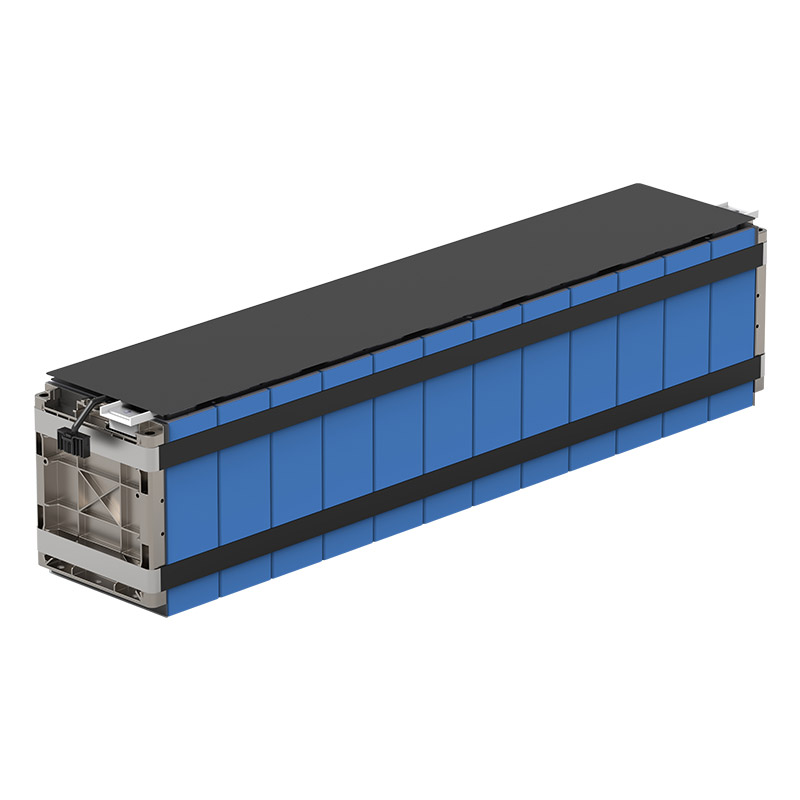
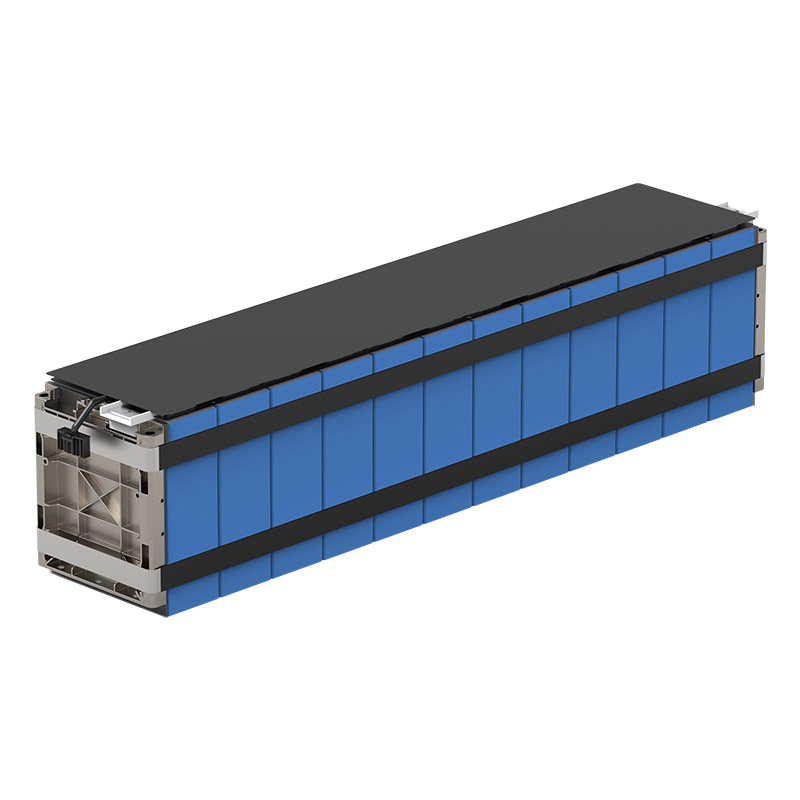
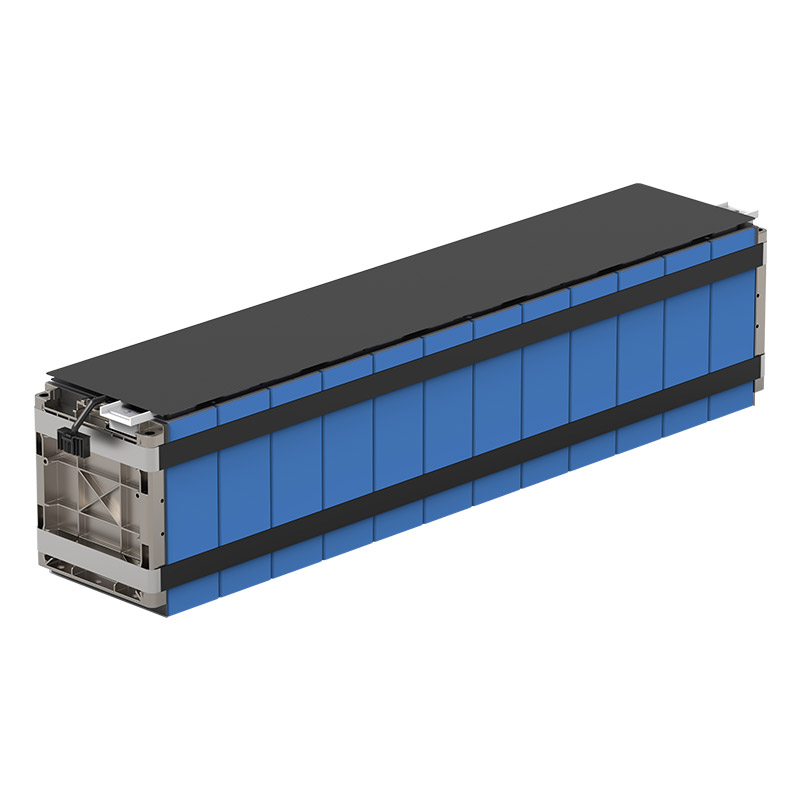
The table below shows some LF105 module configurations for power battery applications.
Application | Product Name | Pack Configuration |
Power | MF-0256 | 1P8S |
Power | MF-0258 | 1P12S |
Power | MF-0265 | 1P15S |
Power | MF-0260 | 1P16S |
Power | MF-0147 | 2P4S |
Power | MF-0510 | 2P6S |
Power | MF-0143 | 2P8S |
Power | MF-0149 | 3P4S |
Power | MF-0153 | 3P5S |
Power | MF-0155 | 3P7S |
Power | MF-0158 | 3P8S |
Power | MF-0160 | 4P3S |
Power | MF-0163 | 4P4S |
Power | MF-0169 | 4P5S |
Note: The LF105 cell supports different pack configurations according to specific application requirements. For more information, contact EVE’s team.

2. Commercial Energy Storage and Backup Power
Commercial ESS, UPS, telecom backup, power-system equipment, and data center infrastructure may require different voltage, capacity, redundancy, and discharge-duration configurations.
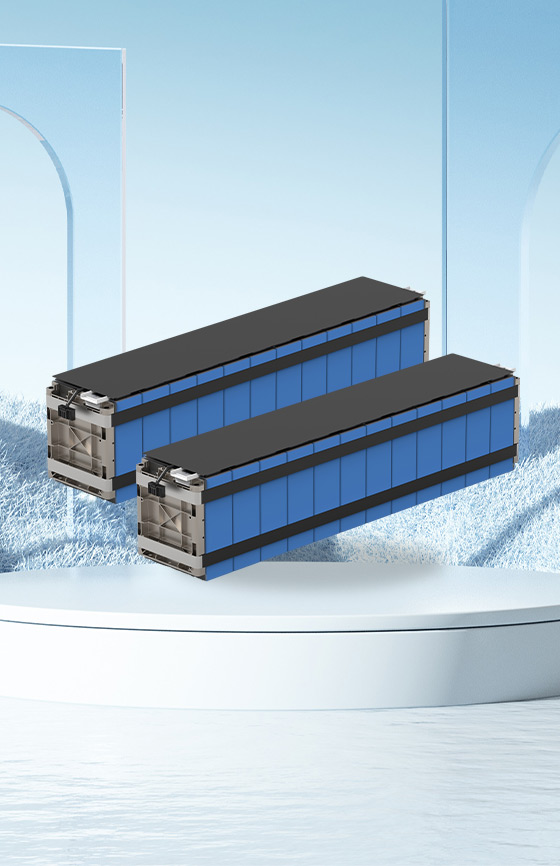
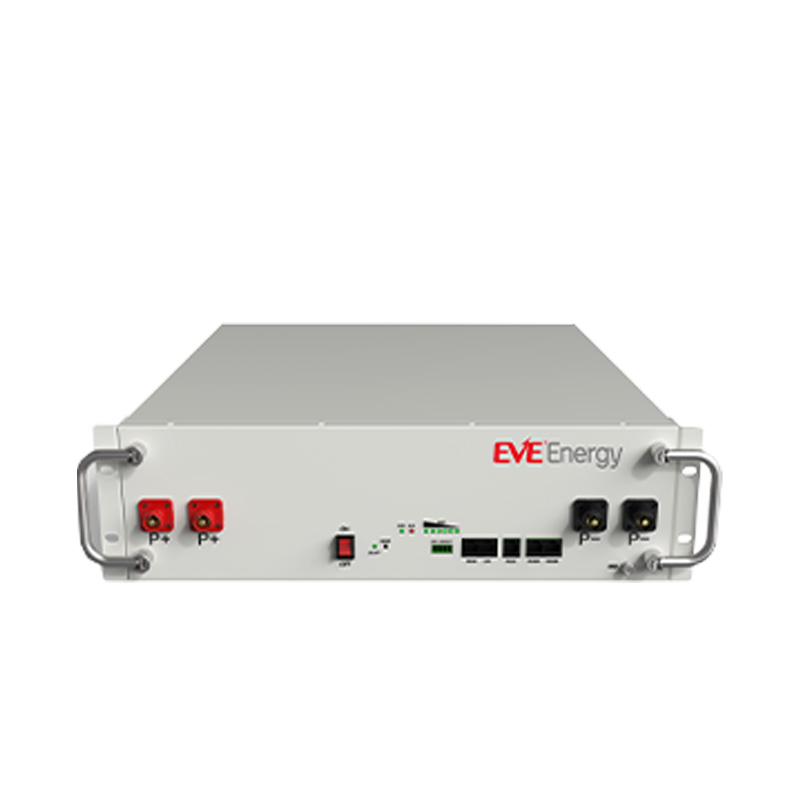
The LF105 supports series and parallel pack architectures such as 1P8S, 1P16S, 2P4S, 2P6S, 2P8S, and 3P4S. For example:
l A 1P16S pack provides 51.2V, 105Ah, and approximately 5.38kWh.
l A 2P8S pack provides 25.6V, 210Ah, and approximately 5.38kWh.
l A 2P6S pack provides 19.2V, 210Ah, and approximately 4.03kWh.
The LF105 can be assembled into different pack configurations to meet specific application requirements.
3. Home Energy Storage Systems
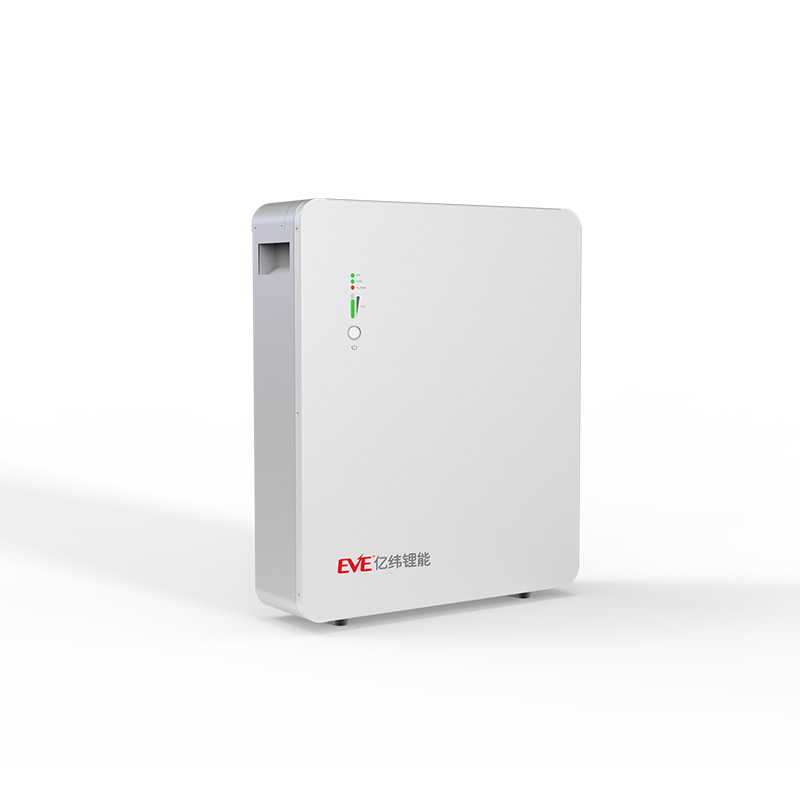
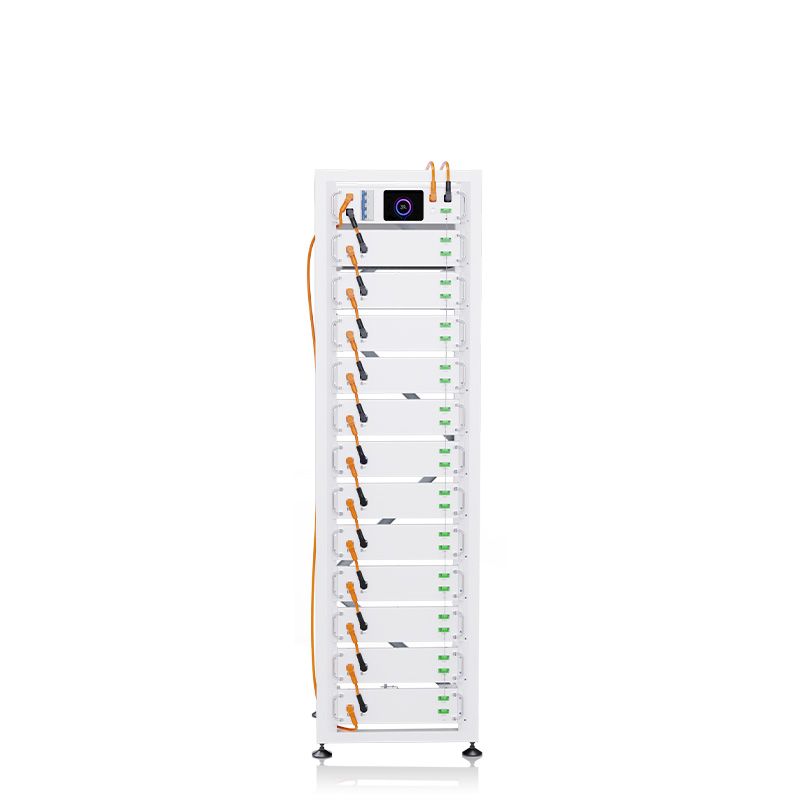
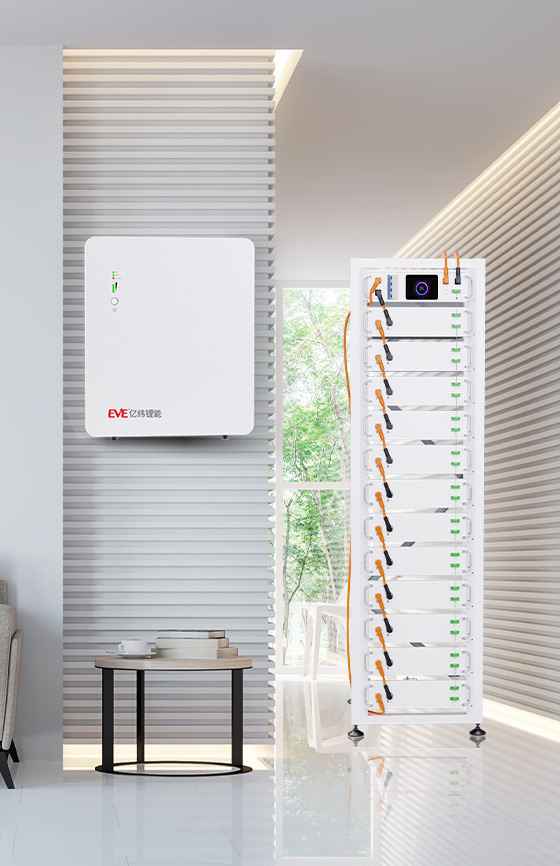
For residential solar storage and backup applications, LF105 cells can support 12.8V, 19.2V, 25.6V, 48V, and 51.2V pack designs. A 15S configuration provides approximately 48V and 5.04kWh, while a 16S configuration provides 51.2V and about 5.38kWh. Also, EVE can provide different LF105 pack configurations to meet your specific application requirements.
Installation, Pack Design, and BMS Considerations
1. Cell Handling and Mechanical Assembly
Inspect each EVE LF105 cell for casing, insulation, or terminal damage before assembly. The enclosure should provide electrical insulation, vibration resistance, and properly engineered restraint without applying excessive pressure.
Furthermore, as different threaded-terminal versions (M4 and M6 threaded holes) are available, use the bolt dimensions, tightening torque, mounting orientation, and compression requirements specified for the exact cell version.

2. Electrical Configuration and BMS Requirements
The LF105 can support pack configurations such as 4S, 6S, 8S, 15S, and 16S for 12.8V to 51.2V systems. Cells should be matched by capacity, internal resistance, voltage, SOC, batch, and production date.
A LiFePO4-compatible BMS should monitor individual cell voltage, current, and temperature while providing balancing, SOC estimation, overvoltage, undervoltage, overcurrent, short-circuit, and temperature protection.
3. Charging, Discharging, and Protection
The LF105 supports standard 0.5C/0.5C charging and discharging, with charging from -10°C to 65°C and discharging from -35°C to 65°C. Exact voltage limits, current limits, and protection thresholds should follow the latest EVE LF105 datasheet.
Pack designs should also include correctly rated fuses, disconnect devices, insulated busbars, thermal sensors, and appropriate cooling or ventilation.
Storage, Maintenance, and Safety Best Practices
1. Long-Term Storage Guidelines
Store LF105 cells in a dry, ventilated environment away from heat, moisture, conductive materials, and direct sunlight. Long-term storage should follow the SOC range, temperature limits, inspection intervals, and recharge procedures defined in the EVE LF105 datasheet.
2. Operational Safety Notes
During operation, monitor cell-voltage differences, temperature distribution, terminal condition, BMS alarms, and enclosure integrity. A cell showing leakage, unusual swelling, severe corrosion, physical damage, or abnormal heating should be isolated and assessed by qualified personnel.
3. Common Mistakes to Avoid
Common integration mistakes include mixing unmatched cells, operating without cell-level monitoring, using an undersized BMS, exceeding peak-current duration, charging below the approved temperature, and omitting suitable fuses or insulation.
Conclusion
The EVE LF105 is designed for B2B customers that need a balanced LiFePO4 prismatic cell for energy storage, electric mobility, UPS, marine power, and industrial equipment.
Its 105Ah capacity, compact format, long cycle life, low resistance, wide discharge-temperature range, and flexible pack configurations provide a practical foundation for multiple system architectures.
Combined with traceable cell supply, application engineering, appropriate BMS design, and complete protection strategies, the LF105 can support reliable battery-system development across a wide range of commercial and industrial applications.
If you are evaluating the LF105 for an upcoming project, contact our EVE team to discuss cell specifications, pack configurations, application requirements, and supply support!