







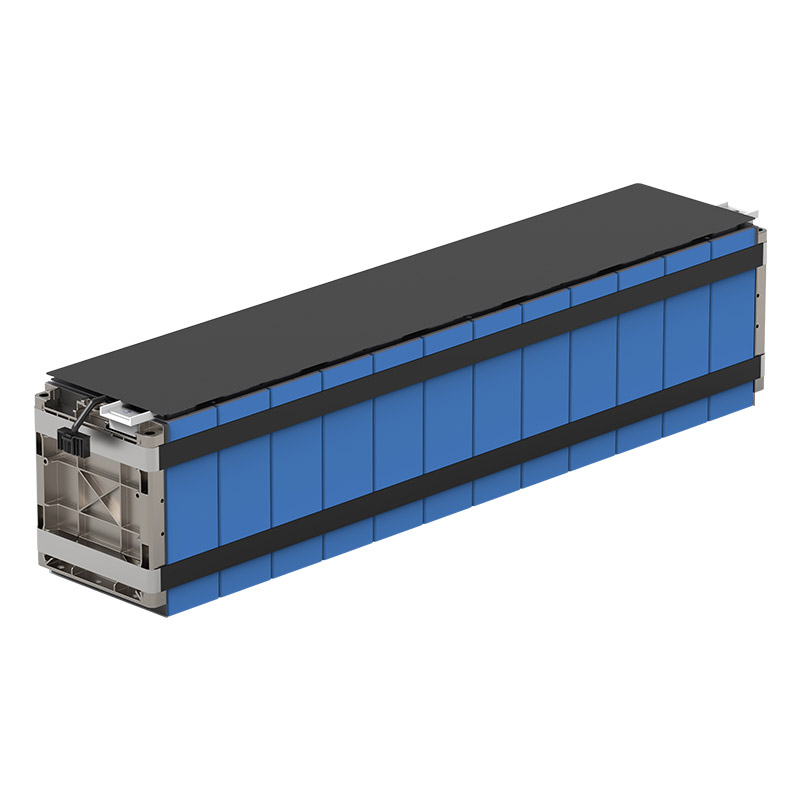
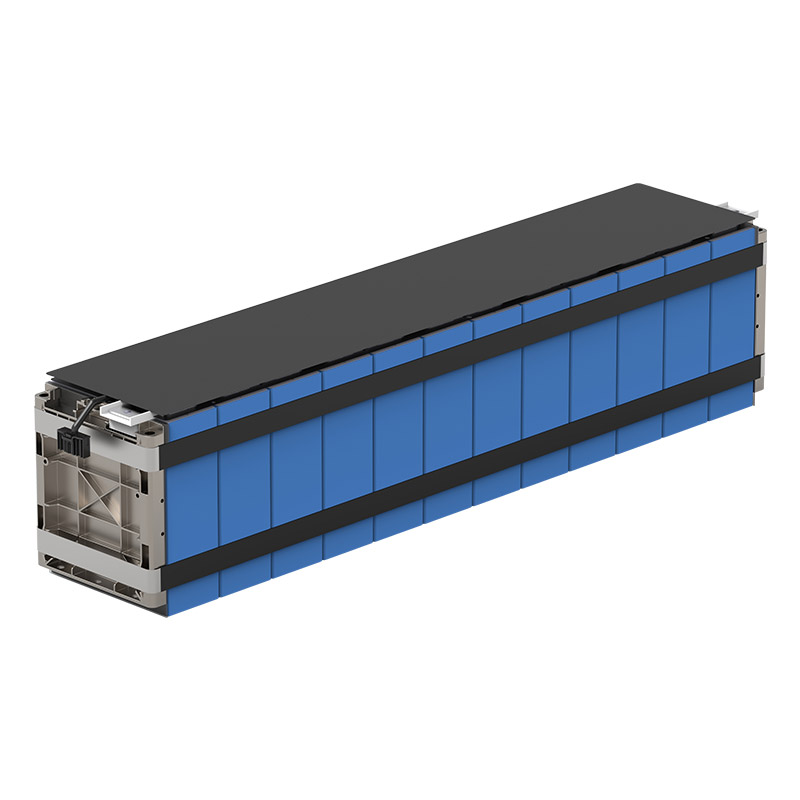
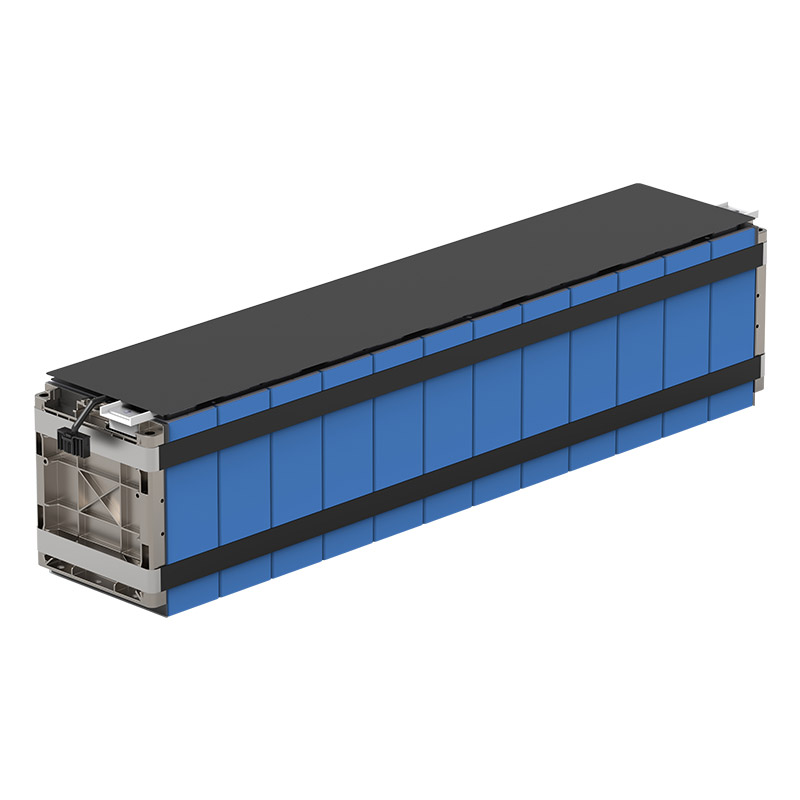
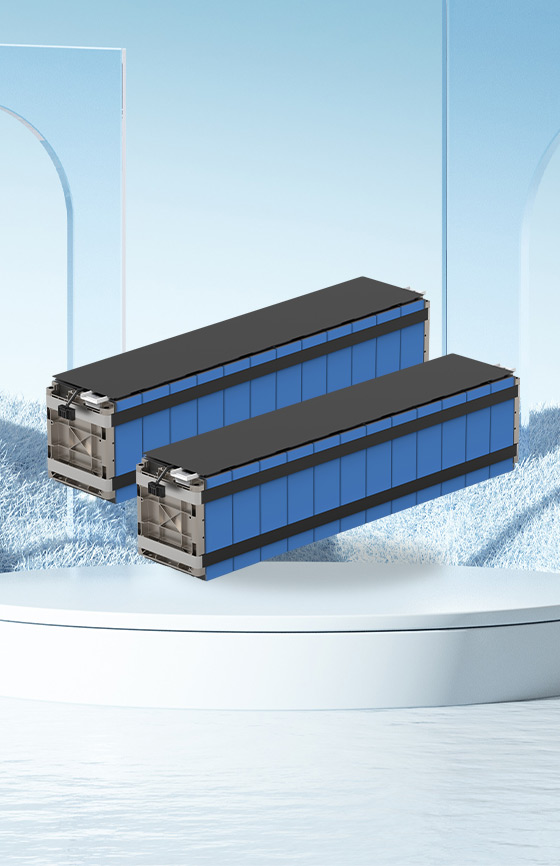
















Which Battery Is Best for Home Energy Storage in Europe?
2026.11.26


As residential solar adoption and energy storage demand continue to grow across Europe, choosing the right battery has become increasingly important for energy storage system (ESS) developers and integrators. Among available lithium-ion technologies, lithium iron phosphate (LFP) is a strong starting point for residential applications because of its thermal stability, long cycle life potential, and suitability for stationary energy storage.
For European ESS integrators and battery-pack manufacturers, selecting the best battery involves more than comparing capacity or cycle life. Cell dimensions, charging performance, temperature tolerance, safety certifications, and battery management compatibility all influence the final system.
This guide introduces four LFP battery cells worth considering for European home energy storage and explains how to evaluate them for different system requirements.

Best Batteries for Home Energy Storage in Europe
When comparing batteries for energy storage, LFP prismatic cells are worth considering for their thermal stability, cycle-life potential, and flexibility in battery pack design. However, different cells serve different system requirements. Some prioritize compact dimensions and higher discharge rates, while others offer greater capacity per cell or longer cycle-life ratings.
The following four LFP cells from EVE, REPT BATTERO, and HiTHIUM illustrate different approaches to residential and stationary energy storage.
Comparison of Four LFP Battery Cells
| Battery Cell | Capacity & Energy | Cycle Life* | Performance & Physical Characteristics | Main Strengths & Applications |
| EVE LF105 | 105Ah; 336Wh | Up to 5,000 cycles (80% SOH) | 0.5C standard charge/discharge;; 3C peak discharge; -10°C to 65°C charging; 1.98kg | Compact design, high-rate output, wide temperature range; residential ESS, C&I ESS, UPS, portable power and low-speed mobility |
| EVE LF235L | 235Ah; 752Wh | 4,000 cycles (70% SOH) | 2C/3C maximum charge/discharge current; -10°C to 65°C charging; 4.14kg | Higher capacity per cell, low internal resistance; home ESS, C&I ESS, telecom ESS, AGVs and UPS |
| REPT BATTERO 100P | 100Ah; 320Wh | 6,000 cycles (test conditions not specified on product page) | Operating voltage: 2.50–3.65V; 1.91kg; compact prismatic format | Residential ESS-focused design; published safety and transportation standards include IEC 62619, UL 1973, UL 9540A and UN 38.3 |
| HiTHIUM ESS 314Ah | 314Ah; 1,004.8Wh | ≥13,000 cycles (65% SOH) | 0.5P continuous charge/discharge; 0–60°C charging; -30–60°C discharging; 5.6kg | High single-cell capacity and energy density; primarily industrial, utility and grid-serving stationary ESS |
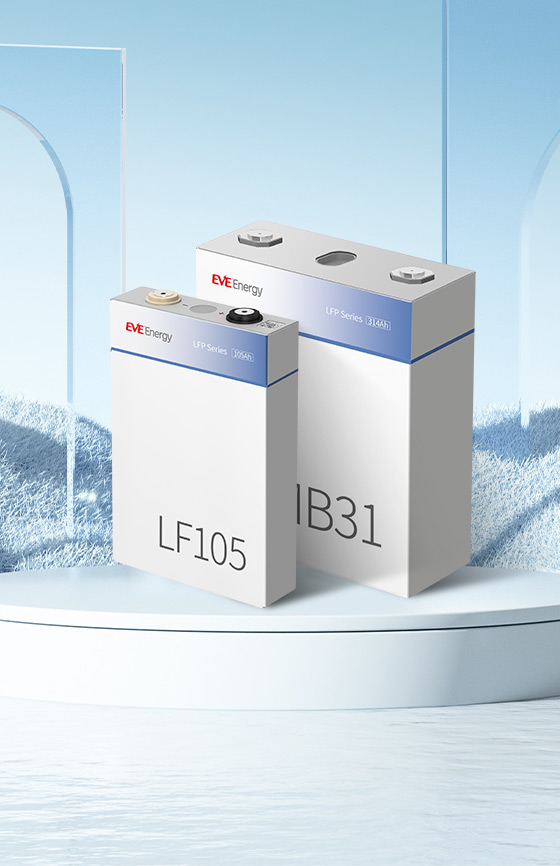
1. EVE LF105 – A Balanced Cell for Residential Storage and High-Rate Applications
The EVE LF105 is a 105Ah prismatic LFP cell that combines cycle-life performance, charging flexibility, and a wide operating temperature range. It is designed for both stationary storage and low-speed power applications, making it a versatile option for battery manufacturers developing different pack configurations.

Key specifications and advantages:
- Long cycle life: LF105 supports up to 5,000 cycles with 80% SOH retention under testing conditions of 25°C and 0.5C charge/discharge. This provides a reference for long-term operation in frequently cycled residential storage systems.
- High-rate capability: The cell supports 0.5C standard charging and discharging, up to 3C peak discharge. This output capability can accommodate applications with higher instantaneous power demands.
- Wide temperature adaptability: The cell supports charging from -10°C to 65°C and discharging from -35°C to 65°C. These ranges provide flexibility for battery pack designs intended for different European climates, although low-temperature charging controls and system-level thermal management remain necessary.
- Compact integration: With dimensions of 200.5 × 130.3 × 36.4mm and a weight of approximately 1.98kg, LF105 achieves an energy density of around 169Wh/kg. Its form factor supports flexible series and parallel configurations, including 48V-class and 51.2V residential battery packs.
- Multi-scenario compatibility: Beyond Home ESS, LF105 is suitable for portable power, telecom backup, C&I storage, golf carts, forklifts, AGVs, sightseeing vehicles, and marine power applications.
The cell also features an initial internal resistance of approximately 0.32mΩ(AC 1kHz, 19%~40% SOC), supporting efficient current delivery under appropriate operating conditions. Its established mass-production history of more than four years and available documentation, including UN 38.3, IEC and UL-related documents, CE, RoHS, and MSDS, provide additional reference points for procurement and integration. EVE also offers an EU Warehouse LF105 option, which European buyers can consider when evaluating supply arrangements.
Overall, LF105 is a balanced choice for integrators who need a compact cell with wide temperature adaptability, flexible pack configurations, and higher discharge capability. Its compatibility with both storage and low-speed mobility applications also makes it relevant to OEMs serving multiple markets.
2. EVE LF235L – Higher Capacity for Flexible Energy Storage Pack Design
The EVE LF235L is a 235Ah prismatic LFP cell developed for home energy storage, commercial and industrial ESS, telecommunications, AGVs, and UPS applications. Compared with 105Ah cells, its higher capacity provides more nominal energy per individual cell, which can influence pack layout and electrical interconnection requirements.

Key specifications and advantages:
- Higher single-cell capacity: LF235L delivers 235Ah at 3.2V, equivalent to approximately 752Wh. This allows battery manufacturers to achieve a given nominal energy target with fewer individual cells than a design based on 100Ah-class cells.
- High current capability: Its maximum charge/discharge current is 2C/3C. This provides flexibility when designing systems that need different charging and discharging power levels.
- Low internal resistance: The cell has an initial internal resistance of ≤0.20mΩ, a useful parameter when evaluating resistive losses and heat generation under load.
- Wide operating temperature: Its charging temperature range is -10°C to 65°C, while its discharging range is -35°C to 65°C. These specifications are relevant to systems operating in varying ambient conditions.
- Established storage applications: The LF235L supports Home ESS, C&I ESS, communication energy storage, AGVs, and UPS systems, giving integrators flexibility across stationary and backup power projects.
The cell measures approximately 207.2 × 173.93 × 53.85mm and weighs 4.14kg. It supports up to 4,000 cycles with 70% SOH retention under testing conditions of 25°C and 0.5C charge/discharge.
For integrators, LF235L is worth evaluating when higher capacity per cell is a priority. Meanwhile, its dimensions, weight, cycle-life threshold, and thermal requirements should be considered alongside the complete battery pack design rather than capacity alone.
3. REPT BATTERO 100P – A Residential ESS-Focused LFP Cell
The REPT BATTERO 100P is a 100Ah prismatic LFP cell specifically positioned for residential energy storage. Its relatively compact form factor and published safety documentation make it another candidate for manufacturers developing home battery systems.

Key specifications and advantages:
- Standard 100Ah capacity: With a nominal voltage of 3.2V, the cell provides approximately 320Wh of nominal energy. This capacity is suitable for modular battery pack designs.
- Published cycle-life rating: REPT BATTERO lists a cycle life of 6,000 cycles. However, the public product page does not specify the corresponding DOD, operating temperature, or SOH threshold, which should be confirmed before comparing it with other cells.
- Compact dimensions: The cell measures 52 × 148 × 119mm and weighs approximately 1.91kg, making its physical dimensions relevant when evaluating enclosure space and module arrangement.
- Safety and transportation documentation: Its listed standards include IEC 62619, UL 1973, UL 9540A, UN 38.3, and JIS 8715-2. These provide useful references for cell selection and subsequent system-level safety assessment.
Unlike cells marketed across multiple power and storage applications, the 100P has a clearly identified residential ESS application. It is therefore worth considering for integrators prioritizing a dedicated home storage cell.
Before finalizing a procurement decision, buyers should request the full datasheet to verify its charging and discharging rates, temperature limits, cycle-life test conditions, and mechanical integration requirements.
4. HiTHIUM ESS Cell 314Ah – High-Capacity Cell for Stationary Storage
The HiTHIUM ESS Cell 314Ah is a large-format prismatic LFP cell designed primarily for stationary energy storage systems. With approximately 1kWh of nominal energy per cell, it offers a different capacity configuration from the 100Ah and 235Ah options.

Key specifications and advantages:
- High single-cell energy: Its 314Ah capacity and 3.2V nominal voltage provide 1,004.8Wh of nominal energy. Its gravimetric energy density is at least 173.2Wh/kg, with a volumetric energy density of at least 382.6Wh/L.
- Long published cycle life: HiTHIUM specifies at least 13,000 cycles under 0.5P continuous charging and discharging at 25°C ± 2°C, with a 65% SOH threshold. This rating reflects a specific stationary storage testing profile.
- Comprehensive certifications: Its listed product standards include IEC 62619, UL 9540A, UL 1973, GB/T 36276, and UN 38.3.
- Stationary ESS operating range: The cell supports charging from 0°C to 60°C and discharging from -30°C to 60°C. Its continuous charge and discharge rates are both 0.5P.
- Mechanical specifications: It measures 174.70 × 71.70 × 207.11mm and weighs approximately 5.6kg.
Although its capacity and energy density may interest integrators evaluating larger modular storage architectures, its suitability for standard residential battery packs should be confirmed with the manufacturer.
For B2B buyers, the 314Ah cell is particularly relevant when evaluating large-format stationary storage designs where energy per cell, cycle-life targets, and system-level integration requirements are central to the project.
How to Choose the Right Battery for the European Market
The above LFP batteries offer different advantages, and manufacturers and procurement teams can choose the right LiFePO4 battery for residential energy storage based on the following factors.
1. Match the Battery Pack Design
Start with the required system voltage and usable energy. Check the cell dimensions, terminal positions, weight, and electrical characteristics before finalizing the pack configuration. For example, LF105 and LF235L share a 3.2V nominal voltage but have substantially different capacities and dimensions.
The selected cells must also work with the battery management system (BMS), inverter, busbars, and thermal management design. A higher-capacity cell is not automatically a better option if it creates integration difficulties.
2. Compare Performance Under Consistent Conditions
Avoid comparing cycle-life figures without checking their testing conditions. Important variables include:
- Depth of discharge (DOD)
- Charging and discharging rates
- Operating temperature
- End-of-life capacity threshold
- Charging and discharging voltage limits
For example, the EVE LF105 105Ah cell achieves a cycle life of up to 5,000 cycles at 80% SOH, based on testing at 25°C and 0.5C charge/discharge. Other cells may use different conditions.
Also, compare nominal energy in Wh rather than relying on Ah alone. This provides a more meaningful basis for evaluating the energy available from cells with different voltage ratings.
3. Check Cold-Weather Suitability
European climates vary considerably, making temperature performance particularly relevant for residential storage systems installed in garages, utility rooms, or outdoor enclosures.
Check both charging and discharging temperature ranges. For example, EVE LF105 and LF235L list charging temperatures down to -10°C and discharging temperatures down to -35°C. The HiTHIUM 314Ah specifies a charging range starting at 0°C and a discharging range extending to -30°C.
These are cell-level operating limits, not guarantees of unrestricted performance at every temperature. Integrators should also review low-temperature charging restrictions, current derating, and whether battery preheating is required.
4. Review Safety Documentation
Safety verification should cover both individual cells and the completed battery system. Relevant standards and documents include:
- IEC 62619: Safety requirements for industrial lithium cells and batteries, including stationary applications.
- UL 1973: Safety requirements for batteries used in stationary and other specified applications.
- UL 9540A: A test method for evaluating thermal runaway fire propagation in battery energy storage systems.
- UN 38.3: Transportation testing requirements for lithium batteries.
The IEC 62619 standard is particularly relevant to stationary ESS, UPS, and other industrial applications.
European suppliers and manufacturers should also prepare for the EU Batteries Regulation (EU) 2023/1542. From February 18, 2027, relevant industrial batteries exceeding 2kWh placed on the EU market or put into service will require a Battery Passport. Review the European Commission's Battery Passport guidance for applicable information requirements.
More information about the EU Battery Passport:
What is a Digital Product Passport (DPP)?
Digital Product Passport for Batteries (Battery Passport)
5. Evaluate Procurement Quality
Technical specifications alone cannot establish long-term supply reliability. Before selecting a cell supplier, assess:
- Manufacturing consistency and quality management systems
- Batch traceability and production testing records
- Availability of technical documentation and samples
- Production capacity and delivery lead times
- Warranty terms and after-sales technical support
For B2B buyers, consistent cell quality and reliable supply are particularly important when scaling production across multiple battery pack models.
At EVE, we maintain high LFP battery cell quality through highly automated production lines, precision manufacturing equipment, and comprehensive quality control covering raw material inspection, production, and testing.
We also bring established experience in supporting battery projects across Europe. Our European supply network includes six delivery VMI (Vendor Managed Inventory) hubs serving more than 500 European customers, alongside local partnerships for energy storage project development.
In addition, our EU warehouse provides local inventory options for selected products, including the LF105. These resources give European battery manufacturers and ESS integrators greater flexibility in procurement, inventory planning, and delivery arrangements, helping optimize their European battery supply chains.

FAQs About Home Energy Storage Batteries
1. Is a Higher-Ah Battery Cell Always Better?
Not necessarily. Higher Ah means more capacity, but it also adds weight, size, and cost. The best choice depends on your application—matching capacity to actual energy needs, space, and budget matters more than simply maximizing Ah.
2. How Much Does a Home Energy Storage Battery Cost?
The cost depends on battery capacity, chemistry, cell quality, inverter requirements, installation, and local labor expenses. For reference, a Netherlands market review in October 2026 reported a median installed price of approximately €719 per usable kWh for 7–12.5kWh home batteries, including VAT and installation. This is a local benchmark, not a Europe-wide price or individual cell procurement cost.
3. How Long Does a Home Energy Storage Battery Last?
Battery lifespan depends on both cycle life and calendar aging. Many residential lithium-ion systems are designed for 10 or more years of service, with cycle-life specifications varying by product. Actual longevity depends on DOD, temperature, charging patterns, and operating conditions. Buyers should compare the manufacturer's cycle-life test conditions and warranty rather than relying on cycle counts alone.
Conclusion
The best battery for home energy storage in Europe depends on the intended system architecture, performance requirements, climate, and procurement priorities. EVE LF105 and LF235L offer different capacity options for residential and other stationary ESS applications, while REPT BATTERO 100P and HiTHIUM 314Ah provide additional alternatives worth evaluating.
For battery manufacturers and ESS integrators, the most reliable selection process combines technical compatibility, consistent performance testing, safety documentation, and long-term supply quality. For more LFP battery solutions, you are more than welcome to contact EVE’s professional team.
Relevant information: